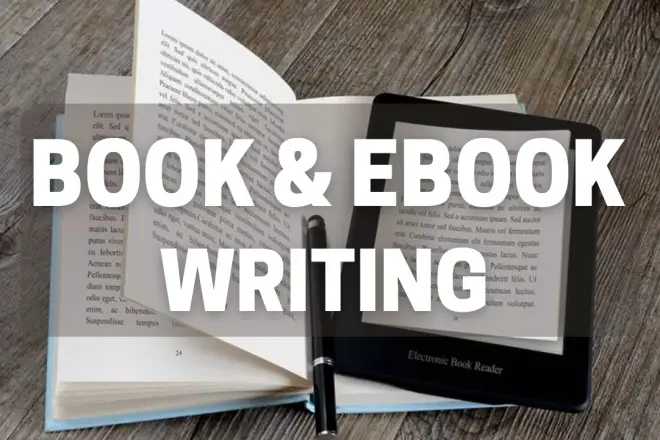
Creating a successful eBook is a rewarding endeavor that requires careful planning, dedication, and the right resources. Whether you’re a novice writer or an experienced author, this Guide to eBook Writing will help you understand the essentials of eBook writing and significantly enhance your productivity and the quality of your work. This Guide to eBook Writing guide provides a comprehensive overview of effective strategies and tools to help you on your eBook writing journey. The Guide to eBook Writing emphasizes understanding your readers, and the Guide to eBook Writing highlights the importance of proper formatting and design in attracting an audience.
The Importance of the Guide to eBook Writing

Identifying Your Target Readers
Understanding the key elements of eBook writing is essential, and utilizing the Guide to eBook Writing as a reference can streamline your process.
Before you begin writing, it is crucial to understand who your audience is. Determine the demographics, interests, and needs of your potential readers. Conduct surveys, analyze market trends, and explore online communities related to your genre or topic.
This Guide to eBook Writing will also assist you in identifying your unique voice and style as a writer.
Analyzing Market Demand
Researching popular eBooks within your genre can provide valuable insights. Look at bestsellers, read reviews, and identify gaps in the market. Understanding what readers are looking for will help you tailor your content to meet their expectations.
Additionally, consider referring back to the Guide to eBook Writing throughout your writing process.
Planning Your eBook
By setting clear goals and keeping the Guide to eBook Writing in mind, you’ll find a clearer path forward.
Outlining Your Content
The right tools mentioned in the Guide to eBook Writing can make a significant difference in your workflow.
An effective outline is the backbone of a well-structured eBook. Start by brainstorming ideas and organizing them into a logical sequence. Break down your content into chapters and sections, ensuring each part contributes to the overall narrative or argument.
Setting Realistic Goals
Establish clear, achievable goals for your writing process. Set daily or weekly word count targets, and allocate specific times for writing. Consistency is key to maintaining momentum and completing your eBook within a reasonable timeframe.
Writing Your eBook

Choosing the Right Writing Tools
Selecting the right tools can significantly enhance your writing efficiency. Popular choices include:
Additionally, the Guide to eBook Writing can help you stay focused and motivated.
- Scrivener: Ideal for organizing large writing projects.
- Google Docs: Great for collaborative writing and easy access across devices.
- Microsoft Word: A versatile tool with extensive formatting options.
Maintaining Focus and Motivation
Use the Guide to eBook Writing to refine your self-editing techniques effectively.
eBook Writing can be a long process, so it’s important to stay motivated. Create a comfortable writing environment, eliminate distractions, and take regular breaks. Joining writing groups or online communities can also provide support and encouragement.
A professional editor familiar with the Guide to eBook Writing can enhance your manuscript’s quality.
Editing and Proofreading
Self-Editing Techniques
Utilize the principles from the Guide to eBook Writing to create a compelling cover design.
Begin by revising your eBook for clarity, coherence, and consistency. Check for grammatical errors, awkward phrasing, and redundant content. Reading your work aloud can help identify issues that you might miss when reading silently.
The formatting guidelines in the Guide to eBook Writing will help you produce a visually appealing product.
Professional Editing Services
Consider hiring a professional editor to review your eBook. An experienced editor can provide valuable feedback and ensure your work meets high standards of quality. This investment can significantly improve the readability and professionalism of your eBook.
Your author platform can benefit significantly from the tactics outlined in the Guide to eBook Writing.
Designing Your eBook
Incorporating the strategies from the Guide to eBook Writing can lead to successful promotions.
Creating an Eye-Catching Cover
The cover is the first thing potential readers will see, so it needs to be compelling. Use high-quality images, bold typography, and a color scheme that reflects the tone of your eBook. Tools like Canva and Adobe Spark can help you design professional-looking covers.
Utilize social media strategies discussed in the Guide to eBook Writing to increase your outreach.
Formatting for Different Platforms
Collaborating with bloggers as suggested in the Guide to eBook Writing can enhance your marketing efforts.
Ensure your eBook is properly formatted for various reading devices. Use tools like Calibre or Kindle Create to convert your manuscript into formats such as ePub, Mobi, and PDF. Pay attention to elements like font size, spacing, and images to enhance readability.
Setting the right price can be guided by the insights found in the Guide to eBook Writing.
Marketing and Promotion
Building Your Author Platform
Encouraging reviews can be easier by following the suggestions in the Guide to eBook Writing.
Establish a strong online presence to promote your eBook. Create a professional website, engage with readers on social media, and consider starting a blog to share insights related to your eBook’s topic. Building a mailing list can also help you reach a wider audience.
Updating your content as mentioned in the Guide to eBook Writing will keep it relevant.
Utilizing Promotional Tools
Leverage various promotional strategies to increase visibility. Offer free chapters or excerpts, run limited-time discounts, and participate in virtual book tours. Utilize platforms like Amazon Kindle Direct Publishing (KDP) and Smashwords to reach a global audience.
Expanding Your Reach
Leveraging Social Media
Social media platforms are powerful tools for promoting your eBook. Create engaging content that relates to your eBook’s theme or genre and share it across different platforms like Facebook, Twitter, Instagram, and LinkedIn. Use relevant hashtags, join groups or communities, and interact with your followers to build a loyal reader base.
Collaborating with Influencers and Bloggers
Partnering with influencers and bloggers in your niche can significantly boost your eBook’s visibility. Reach out to them with a compelling pitch and offer them a free copy of your eBook in exchange for a review or shout-out. Their endorsement can help you tap into a broader audience.
Maximizing Sales and Reviews
Setting the Right Price
Pricing your eBook appropriately is crucial for maximizing sales. Research similar eBooks in your genre to find a competitive price point. Consider offering promotional discounts during the launch period to attract initial buyers and gain momentum.
Encouraging Reviews
Positive reviews can greatly influence potential buyers. Encourage your readers to leave reviews by including a polite request at the end of your eBook. Engage with your reviewers by thanking them and addressing any feedback they provide. More reviews can improve your eBook’s ranking on various platforms, making it more visible to new readers.
Post-Publication Strategies
Updating Your Content
Even after your eBook is published, it’s important to keep it up to date. Monitor reader feedback and make necessary updates or corrections. This shows your commitment to providing quality content and can help maintain reader interest over time.
Expanding Your eBook Series
If your eBook is part of a series, start planning the next installment right away. Building a series can keep readers engaged and eager for more content. It also establishes you as a consistent author, increasing your chances of building a loyal readership.
Conclusion
Successfully writing and publishing an eBook involves more than just putting words on a page. It requires understanding your audience, planning meticulously, using the right tools, and focusing on editing, design, and marketing. By following these guidelines, you can create a high-quality eBook that resonates with readers and achieves your publishing goals. Embrace the journey of eBook writing with enthusiasm and dedication. Each step, from ideation to promotion, offers an opportunity to learn and grow as a writer. With persistence and the right strategies, you can unlock the full potential of your eBook and make a lasting impact in the digital publishing world.